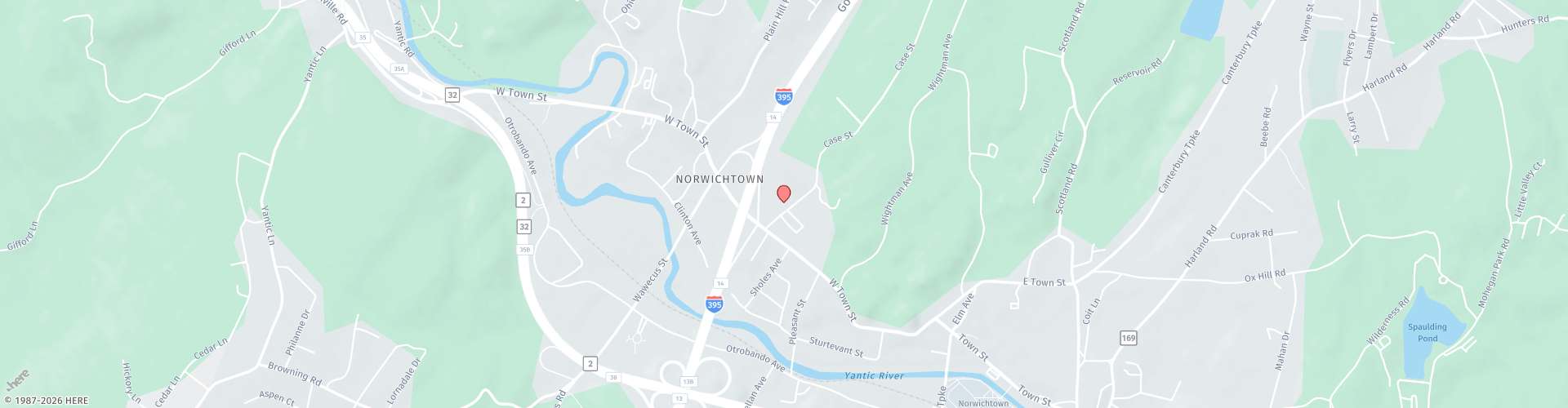
A meal that seems to trigger bloating, itching, fatigue, stomach upset, or another reaction can leave you wondering whether an allergy is to blame. At Whole Self Wellness in Norwich, CT, Andrea Dameron, DNP, APRN, FNP-BC helps patients sort through those concerns and determine what type of evaluation makes sense. Andrea is a Doctorate-prepared, board-certified Family Nurse Practitioner and Certified Culinary Medicine Specialist with experience in functional wellness, nutrition, and lifestyle-based care. Depending on what you are experiencing, allergy testing or food sensitivity testing may be discussed.
What Is the Difference Between a Food Allergy and a Food Sensitivity?
A true food allergy involves the immune system and can cause reactions such as hives, swelling, vomiting, breathing difficulty, or, in severe cases, anaphylaxis. These reactions can be serious, which is why a suspected food allergy should be medically evaluated rather than tested through trial-and-error food avoidance at home.
Food sensitivity is a broader term. It is not the same as an IgE-mediated allergy, and concerns may be less immediate or more difficult to connect to one particular food. Some people report digestive discomfort, headaches, fatigue, or skin changes.
How Are Food Reactions Evaluated?
The next step depends on your health history, the timing of the reaction, what you ate, and what happened afterward. Allergy evaluation at our office may include skin prick testing, blood work, or a medically supervised oral food challenge when appropriate.
When a patient’s concerns do not resemble a traditional allergic reaction, our team may discuss ALCAT food sensitivity testing or another diagnostic approach. ALCAT examines white blood cell responses to foods, additives, and other substances. These findings are considered alongside your history and current concerns rather than treated as a diagnosis on their own.
Food sensitivity testing should also not replace medical evaluation when a true allergy is suspected.
Could Something Else Be Contributing?
Persistent digestive complaints do not always trace back to one food. In some cases, functional health testing may help us explore questions involving gut health, hormones, nutrient status, or other factors. Our broader testing and diagnostics services allow the evaluation to be based on what is actually happening rather than automatically ordering the same panel for every patient.
If dietary changes are recommended, nutritional counseling can make those adjustments easier to manage. Cutting out several foods on your own can unnecessarily restrict your diet and may make it harder to meet your nutritional needs.
Which Type of Evaluation Do You Need?
You do not have to figure that out before coming in. We can review your reactions, eating patterns, medical history, and other health concerns before deciding what information would actually be useful.
If certain foods seem to be affecting how you feel, contact us at Whole Self Wellness in Norwich, CT, or call (860) 222-0949 to schedule an appointment.